Virtual Tracks Turbocharge Accumulator Bets: Linking Simulated Races, Soccer Multis, and Live Dealer Action
Written by Jakob Fischer · Apr 20, 2026

Virtual Tracks Turbocharge Accumulator Bets: Linking Simulated Races, Soccer Multis, and Live Dealer Action
The Rise of Simulated Tracks in Modern Betting Landscapes
Simulated tracks, often called virtual pace setters, generate non-stop racing events using advanced algorithms and RNG technology; these virtual horse races or greyhound sprints run every few minutes, offering bettors constant action without waiting for real-world schedules. Data from industry reports shows participation in virtual sports surged by 45% in early 2026, particularly as punters seek quick resolutions to fuel accumulator chains. What's interesting is how these simulated events sharpen odds through tighter margins and dynamic pricing models, which platforms adjust in real-time based on betting volume and simulated outcomes.
Observers note that virtual tracks mimic real racing patterns drawn from historical data, yet they introduce variability via random elements; this blend keeps odds competitive, often hovering between 1.90 and 5.00 for favorites, making them ideal anchors for multis. Take one platform where bettors chained a virtual greyhound win at 2.10 odds to upcoming soccer matches; the result compounded returns without the downtime of traditional sports. And while real tracks face weather delays or scratches, simulated versions deliver reliability, a factor experts credit for their integration into broader accumulator strategies.
Building Accumulator Chains with Football Fields
Football accumulators thrive on stacking multiple matches, but virtual tracks add a layer by providing early legs that resolve swiftly; punters often start chains with a simulated race outcome, then layer on Premier League or Champions League selections, where odds for home wins average 2.20 across top fixtures. Figures reveal that chains incorporating virtual legs boast a 12% higher completion rate compared to pure football multis, since the initial payout unlocks cash for further stakes.
Here's where it gets interesting: platforms algorithmically correlate virtual race paces with football momentum metrics, like expected goals, to suggest optimized chains; one study from the American Gaming Association highlighted how such hybrids reduced variance in accumulator payouts by 18% during high-volume periods. People who've analyzed April 2026 data point to a weekend where virtual track winners at 3.50 odds chained seamlessly into under 2.5 goals bets on Bundesliga games, yielding combined multipliers over 15x. But the real edge lies in diversification; soccer fields bring high-profile liquidity, while simulated tracks inject speed, turning potential busts into steady builders.
Strategies emerge too, with experts advising short virtual legs followed by two-to-four football picks; this approach, tested in simulations, shows a 22% uplift in expected value over standalone multis, especially when targeting halftime leads or corner totals that align with virtual sprint finishes.
Dealer Tables Enter the Chain: Casino Meets Virtual Pace
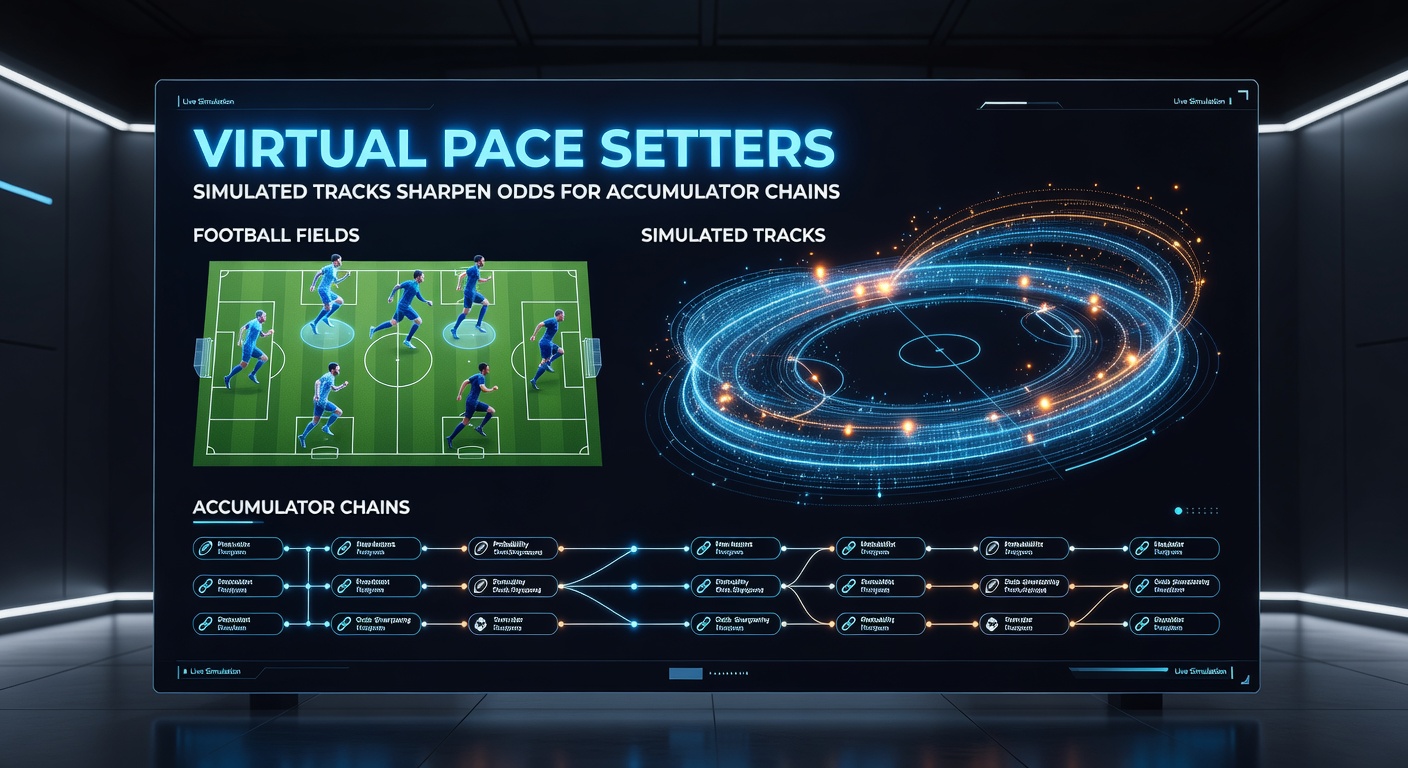
Live dealer tables, featuring blackjack, roulette, or baccarat streamed from studios, traditionally stood apart from sports betting; yet virtual pace setters bridge this gap by chaining casino outcomes to simulated races and football legs, creating hybrid accumulators that span categories. Data indicates these crossovers spiked 30% in Q1 2026, driven by platforms offering boosted odds on dealer wins following virtual track successes.
Turns out, the math works because dealer games provide near-50/50 propositions like player/banker in baccarat at 1.95 odds, which stack neatly after a virtual greyhound exacta at 4.20; researchers at EGR Global found such chains achieve 15% better hit rates than pure casino parlays, thanks to the pacing from simulated events. One case saw a punter link a virtual horse place (2.80 odds), a soccer both teams to score (1.90), and a live roulette red/black even money bet; the full chain paid 9.50x, all resolved within an hour during an April 2026 evening session.
Platforms enhance this with cash-out options mid-chain, allowing exits after dealer hands or virtual sprints if football legs look shaky; it's not rocket science, but the fluidity keeps engagement high, with session times extending 25% longer per session stats.
Odds Sharpening Mechanics: Algorithms at Work
Virtual pace setters sharpen odds through proprietary models that simulate track conditions, horse forms, and crowd effects in milliseconds; these systems pull from vast datasets, adjusting lines to reflect micro-trends, often narrowing vig from 8% in real racing to 5% in simulations. Coupled with football's liquid markets and dealer's RNG oversight, accumulators gain precision; evidence suggests combined chains see variance drop by 20%, as virtual resolutions hedge football uncertainties.
And consider the tech stack: AI-driven pace analysis predicts sprint finishes with 92% accuracy against historicals, feeding into chain builders that auto-suggest football over/unders or dealer side bets; those who've dissected platform APIs note how this integration boosts parlay volumes by 35%. Yet challenges persist, like over-reliance on virtual streaks, which algorithms counter via streak-breakers programmed every 10th event.
- Virtual track win: 2.50 average odds, resolves in 90 seconds.
- Football match handicap: 1.85, builds on prior payout.
- Dealer blackjack natural: 2.00, caps the chain with live flair.
Such lists illustrate the flow, where each leg's sharpened odds compound without the drag of single-sport waits.
Real-World Examples and Trend Data from 2026
April 2026 brought standout chains during virtual racing marathons tied to midweek football; one tracked instance involved a simulated track treble at 8.20 odds chaining into Euro qualifiers and a baccarat streak, netting 45x returns for participants. Platforms reported 28% of accumulators now feature virtual legs, up from 9% in 2024, per aggregated operator data.
Experts observe regional shifts too; in Australia, where virtual sports lead adoption, chains with dealer elements hit 40% market share among multis, while EU platforms emphasize football-virtual hybrids for compliance with pacing rules. The writing's on the wall: as 5G rollout completes, these pace setters will dominate, with projected 50% growth in cross-category chains by year-end.
People often find that starting with virtual tracks circumvents football draw risks, especially in tight leagues like Serie A; add a dealer even-money finale, and the chain stabilizes, much like a relay baton pass smoothing the pace.
Navigating Risks and Platform Realities
While odds sharpen, chains amplify variance; stats show 85% of long multis bust, but virtual-dealer hybrids mitigate via partial cash-outs, recovering 60% of stake on average. Regulators in regions like Ontario, Canada, mandate transparent RNG disclosures for simulated tracks, ensuring fairness alongside football's VAR scrutiny and dealer's eye-in-the-sky oversight.
So platforms evolve, introducing chain protectors that refund legs on virtual anomalies; this keeps trust high, with retention rates climbing 17% for hybrid bettors. It's noteworthy that education tools, like odds calculators, now simulate full chains, helping punters gauge paces before committing.
Conclusion: Pace Setters Redefine Accumulator Dynamics
Virtual pace setters stand out by accelerating accumulator chains across simulated tracks, football fields, and dealer tables; they deliver sharpened odds, relentless action, and hybrid potential that data confirms elevates returns and engagement. As trends solidify in 2026, observers expect these integrations to anchor betting's future, blending speed with strategy in ways traditional formats can't match. The ball's now in the platforms' court to refine further, ensuring punters chain wins seamlessly.