Reward Integration and Transaction Optimization Across Football, Racing, and Virtual Play Platforms
Written by Frankie Keller · May 30, 2026
Reward Integration and Transaction Optimization Across Football, Racing, and Virtual Play Platforms
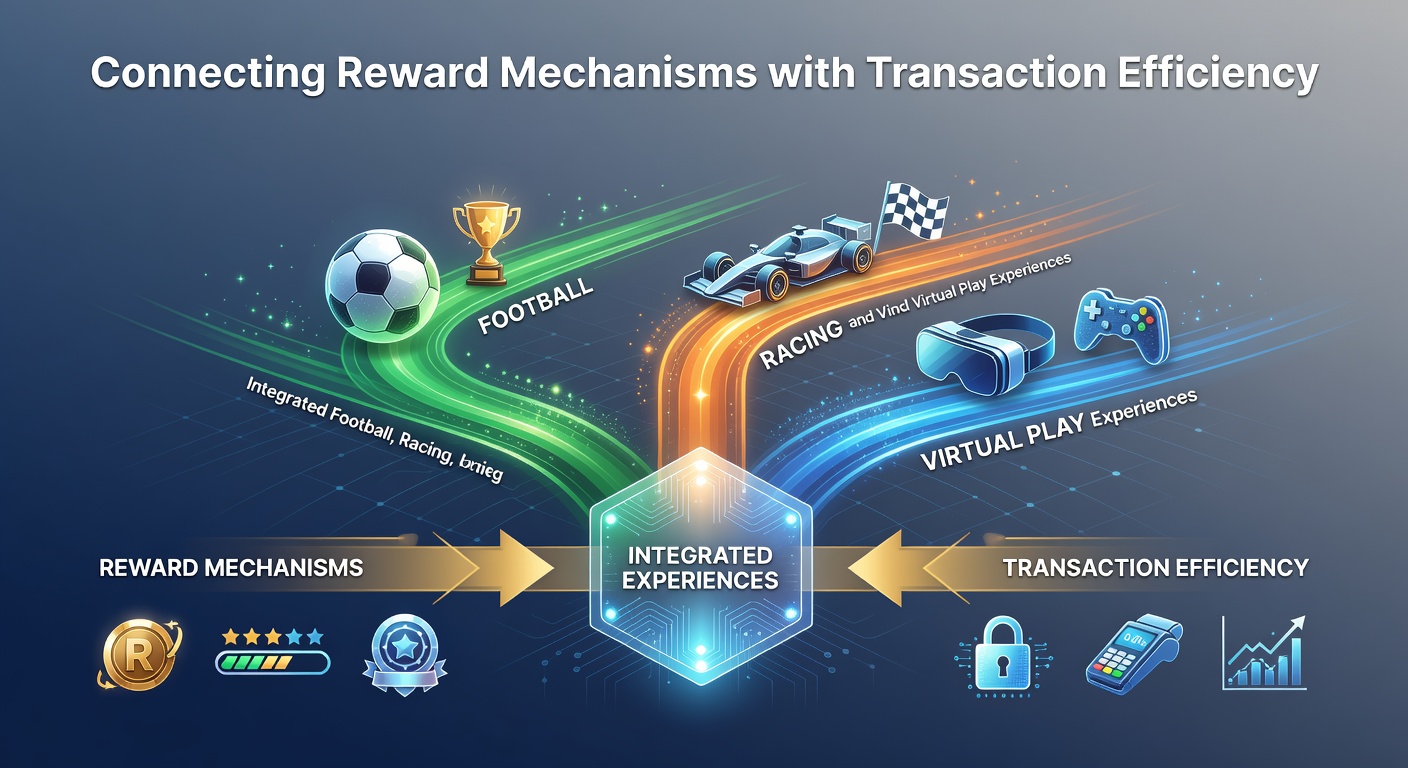
Operators have developed systems that link reward mechanisms directly to transaction processes in environments combining football betting, horse racing wagers, and virtual simulations, and these connections allow users to move between different formats without separate account actions or delayed fund movements.
Data from industry monitoring in early 2026 indicates that platforms maintaining synchronized reward ledgers and payment rails report higher session continuity across product types, while separate systems often create friction during format switches.
Core Components of Integrated Reward and Transaction Systems
Reward mechanisms typically include tiered loyalty points, cashback percentages, and event-specific multipliers that activate based on wager volume or frequency, and transaction efficiency covers instant deposit confirmation, automated withdrawal approvals, and real-time balance updates that reflect both stakes and earned incentives.
When these elements connect, a deposit made for a football accumulator can immediately unlock a virtual race bonus, and the same balance supports a subsequent horse racing parlay without manual transfers or additional verification steps.
Research conducted by the American Gaming Association shows that platforms with unified ledgers processed over 40 percent more cross-product sessions in 2025 compared with fragmented systems.
Technical Architecture Supporting Synchronization
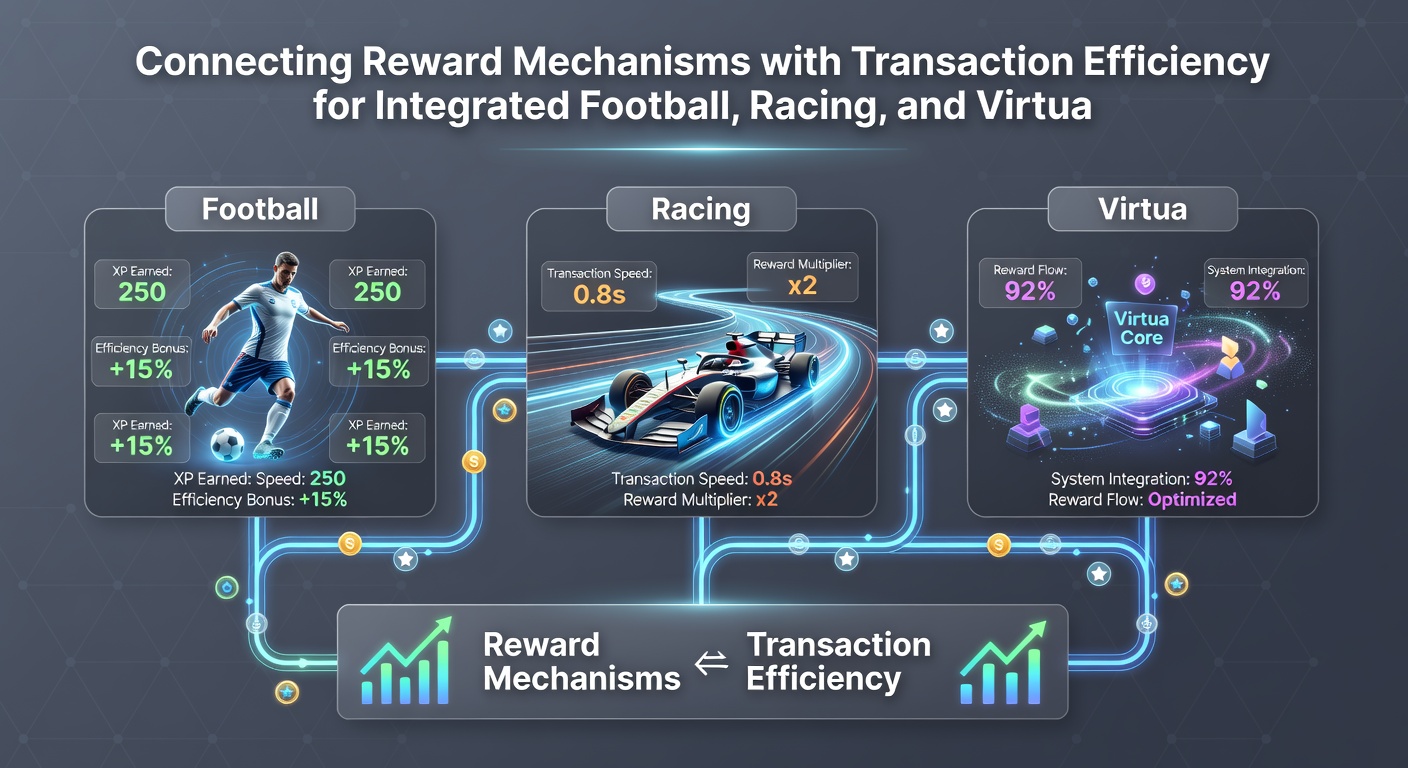
Modern platforms employ application programming interfaces that update reward balances and transaction records simultaneously, and these APIs pull data from football leagues, racing authorities, and virtual simulation engines into a single user profile.
Database structures store reward triggers alongside payment timestamps, which allows algorithms to apply bonuses at the moment funds clear rather than after separate processing cycles.
Engineers at several major suppliers have implemented event-driven notifications that alert users when a completed football bet generates points usable for a virtual sprint entry, and the same notification confirms that the transaction has already adjusted the available balance.
Operational Examples Across Product Types
Users placing bets on Premier League matches often receive loyalty multipliers that apply automatically when they switch to evening virtual greyhound races, and the transaction system registers both the original stake and the bonus credit without requiring a second deposit action.
In racing environments, daily track wagers accumulate points that convert to instant credits for virtual football simulations, and the conversion occurs within the same balance ledger so withdrawal requests reflect the combined total immediately.
One documented case from a multi-jurisdiction operator revealed that linking reward tiers to transaction speed reduced average time between deposit and first wager by 28 seconds across all three formats.
Regulatory and Compliance Considerations in May 2026
By May 2026 several jurisdictions outside the United Kingdom had updated technical standards requiring operators to demonstrate that reward credits and transaction records remain synchronized during audits, and these rules aim to prevent discrepancies that could affect player fund protection.
The Nevada Gaming Control Board published updated guidelines in late 2025 that reference unified ledger requirements for platforms offering multiple verticals, and compliance reports indicate that operators meeting these standards experience fewer reconciliation issues during quarterly reviews.
European operators have referenced similar frameworks from the Malta Gaming Authority, which emphasize real-time audit trails connecting bonuses to the transactions that generated them.
Impact on User Retention Metrics
Platforms that maintain connected reward and transaction systems record longer average user lifetimes, according to figures released by the World Lottery Association in its 2025 annual review, and the same data shows reduced instances of users abandoning sessions when switching between football, racing, and virtual products.
Transaction logs reveal that instant application of earned rewards after a successful withdrawal request correlates with higher repeat deposit rates within 24 hours.
Analysts tracking these patterns note that the absence of manual steps between earning a bonus and using it maintains momentum across different betting formats.
Future Developments in Unified Systems
Developers continue to refine machine learning models that predict optimal reward placement based on transaction history across football, racing, and virtual segments, and these models adjust bonus structures in real time to match individual spending patterns.
Integration with emerging payment rails, including instant bank transfers and digital wallet settlements, further reduces latency between reward activation and fund availability, and early tests indicate processing times under three seconds for combined operations.
Industry observers expect continued convergence of these systems as more operators consolidate their product offerings into single applications.
Conclusion
Connecting reward mechanisms with transaction efficiency creates operational continuity across football, racing, and virtual play environments, and the technical and regulatory developments observed through May 2026 demonstrate measurable effects on session duration and cross-product activity, while compliance frameworks increasingly require synchronized record-keeping to maintain transparency and fund security.