Portable Platforms Transform Multi-Leg Wager Strategies Through Linked Funding and Support Tools
Written by Sage Hansen · Jul 8, 2026
Portable Platforms Transform Multi-Leg Wager Strategies Through Linked Funding and Support Tools
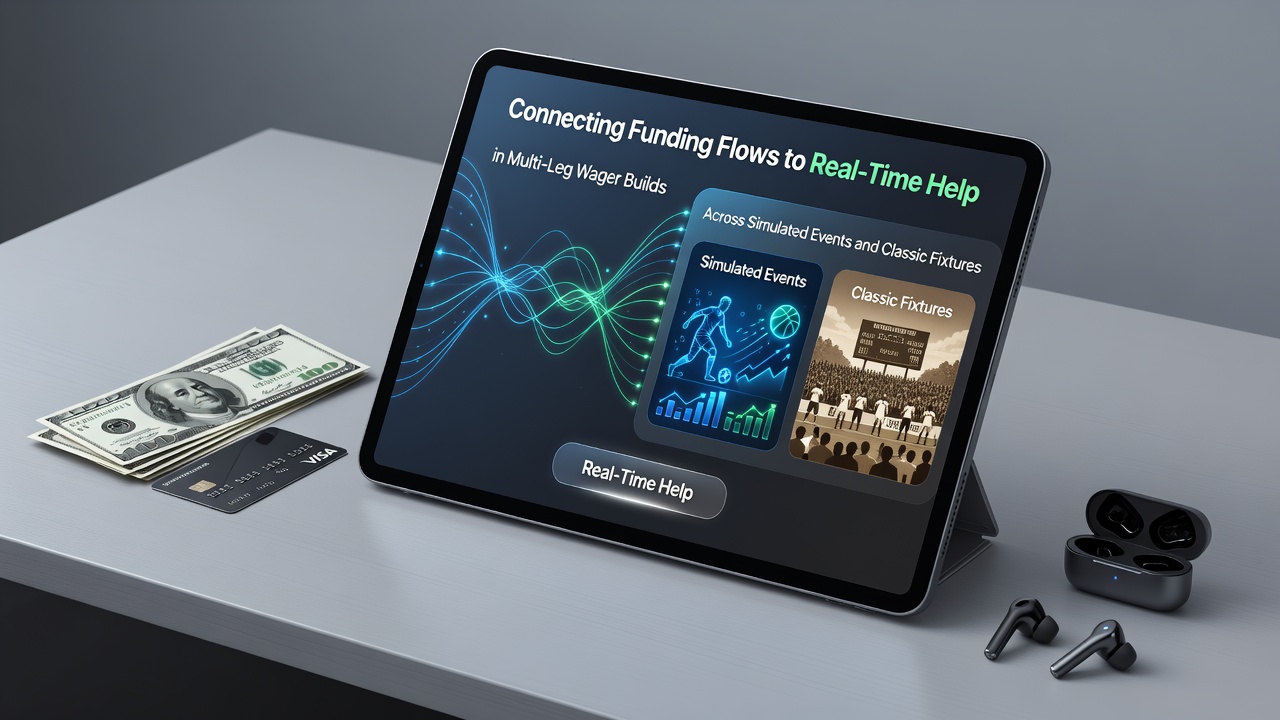
Portable devices now handle intricate combinations of bets that span both simulated competitions and longstanding sports fixtures, and the systems connecting payment processing with live assistance have become central to how these builds function. Operators have integrated transaction pathways directly into support channels so users can adjust funding mid-session while receiving guidance on accumulator structures that cross virtual simulations and real-world events. Data from industry reports shows steady growth in these combined features across multiple markets since early 2025, with activity levels remaining elevated into July 2026 as more platforms refine their mobile offerings.
Payment Integration Patterns in Accumulator Construction
Applications designed for handheld use allow seamless movement between deposit functions and real-time chat or call support while users construct multi-leg selections. One common setup routes transaction confirmations straight to assistance teams, enabling quick resolution of issues that arise during the addition of legs from simulated horse races or established football fixtures. Observers note that this linkage reduces the time between funding a bet and finalizing its components, particularly when virtual events run on accelerated schedules alongside slower-paced traditional matches. Figures from the Australian Gambling Research Centre indicate that mobile sessions involving both payments and support interactions increased by measurable margins in comparable periods the prior year.
Support Mechanisms Across Simulated and Classic Events
Real-time help features extend beyond basic queries to include step-by-step navigation through complex wager chains that mix digital simulations with live fixtures. Users often encounter prompts that link directly to funding options when an accumulator requires an immediate top-up, while support staff can reference current odds or simulation outcomes without requiring the user to exit the build screen. This coordination proves especially relevant during periods of high virtual event frequency, such as continuous simulated athletics meets that overlap with weekend football schedules. Researchers tracking these patterns have documented how such integrations maintain session continuity across different event types on the same portable interface.
Technical Flows Connecting Funding to Assistance
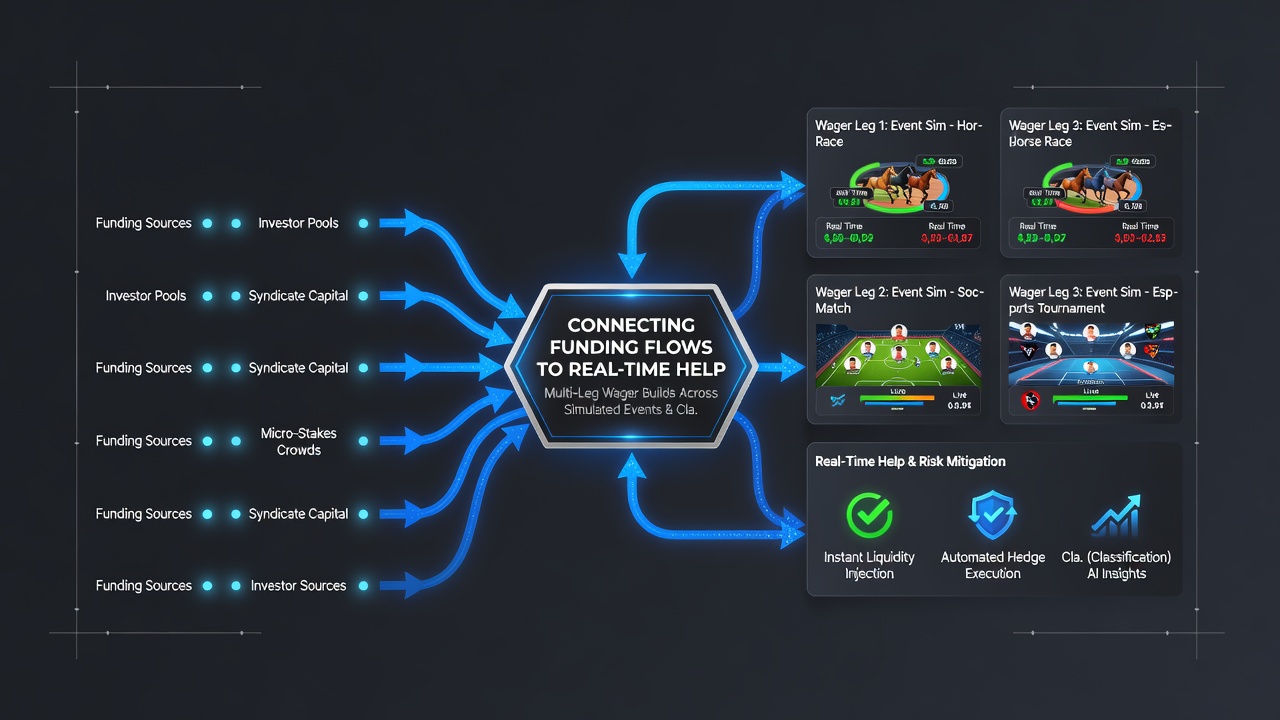
The architecture behind these connections typically involves API bridges that pass transaction status to support dashboards in parallel with the betting slip. When a deposit processes during an active multi-leg construction involving both virtual track events and classic fixtures, the system flags the update for immediate agent review if the user has activated assistance. This setup avoids separate logins or app switches, keeping the focus on leg selection and stake allocation. Evidence from mobile technology analyses suggests that platforms employing these dual-channel methods report fewer abandoned builds compared with earlier versions that separated payment tools from support functions.
Regional Variations in Platform Capabilities
Markets outside the primary European focus demonstrate distinct approaches to the same integration goals. Canadian provincial frameworks, for instance, have encouraged operators to embed funding alerts within support interfaces tailored for accumulators spanning virtual sports and conventional leagues. Australian regulatory updates around the same timeframe emphasized similar transparency in transaction-support linkages, leading to broader adoption of unified mobile tools. Those who've examined usage statistics across these regions find that the combination of instant funding access and live guidance supports more intricate wager patterns without disrupting the flow of event monitoring.
Operational Examples from July 2026 Activity
During the opening weeks of July 2026, several portable platforms reported spikes in sessions that combined virtual sprint simulations with ongoing international football fixtures, all managed through single-app interfaces. Support logs from these periods highlight frequent queries about adjusting stakes mid-build after a deposit cleared, with agents able to reference both simulated outcomes and real fixture schedules in one interaction. This overlap of event categories on mobile devices has prompted further refinements in how payment confirmations trigger assistance protocols, ensuring users can extend or modify accumulator legs without losing session context. Industry organizations such as the European Gaming and Betting Association have compiled preliminary tallies showing continued emphasis on these synchronized features in operator updates.
Conclusion
Connections between funding mechanisms and real-time assistance continue to shape how multi-leg wagers develop on portable platforms, encompassing both simulated events and established sports fixtures. The patterns observed through mid-2026 reflect ongoing technical alignment rather than isolated updates, with data pointing to sustained use of integrated tools across varied regulatory environments. Further developments in these areas will likely center on refining the speed and scope of such linkages as event calendars expand.