Platform-Spanning Reward Systems for Accumulators in Virtual Equine and Live Sports Betting
Written by Frankie Sullivan · Jun 22, 2026

Platform-Spanning Reward Systems for Accumulators in Virtual Equine and Live Sports Betting
Operators in digital gaming markets have developed bonus structures that connect virtual equine simulations with live sports events through shared accumulator frameworks. These linkages allow users to apply promotional rewards earned in one environment directly toward chained bets spanning simulated horse races and real-time athletic competitions. Data from industry reports indicate that such integrations have expanded in markets outside the United Kingdom, with operators tracking cross-platform activity to streamline reward distribution. Research indicates that accumulator bets, which combine multiple selections into single wagers with multiplied odds, benefit from these linkages because bonuses can transfer across virtual and live platforms without resetting eligibility criteria. In June 2026 operators reported increased usage of these systems during major international tournaments, where virtual gallops served as entry points that unlocked enhanced multipliers for live football or basketball chains.Mechanics of Cross-Platform Bonus Transfers
Bonus systems operate by tagging promotional credits with identifiers that remain valid when users switch between virtual equine interfaces and live sports dashboards. A player completing a virtual race accumulator might receive a streak bonus that applies automatically to selections in an ongoing live match, provided the total stake meets minimum thresholds set by the operator. This process relies on unified account ledgers that synchronize in real time across mobile and desktop applications.
Studies from the American Gaming Association show that operators implementing these linkages recorded higher retention rates compared to isolated platform models. The linkage functions through API connections that verify bonus status before each new selection enters an accumulator, reducing instances where rewards expire midway through a chain.
Integration Patterns in Virtual Equine and Live Sports
Virtual equine simulations generate rapid event cycles that operators pair with slower-paced live sports accumulators. A typical structure starts with a welcome reward earned on a simulated track, then converts into a daily boost usable on live event parlays. Figures reveal that users who initiate chains in virtual environments complete an average of 1.8 additional live selections per session when bonuses carry over seamlessly.
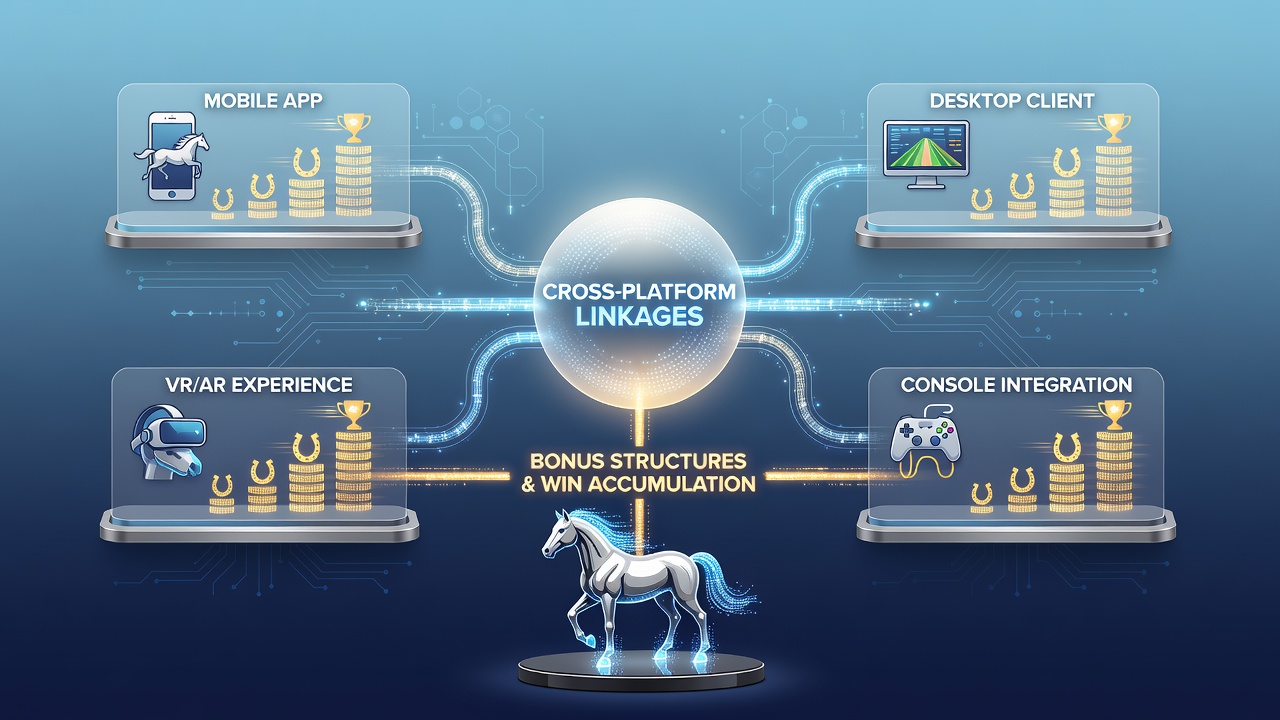
Live sports events supply the variable odds that make accumulator payouts attractive, while virtual simulations offer consistent availability outside traditional sporting calendars. Operators link these by allowing partial cash-outs from one domain to fund entries in the other, maintaining the bonus multiplier throughout the transition. Data shows this approach gained traction in North American and Australian markets during early 2026 as mobile traffic increased.
Examples from Regional Markets
One documented case involves Canadian operators who introduced shared loyalty tiers that treat virtual gallop wins and live soccer chains as equivalent progress markers. Users advance through tiers by accumulating selections across both categories, unlocking tiered deposit matches that apply to future accumulators regardless of platform origin. The Canadian Gaming Association has tracked these programs and noted steady growth in multi-category engagement.
In Australia regulatory filings from state gaming authorities document similar linkages where virtual equine bonuses feed directly into live rugby league parlays. These filings highlight that operators must maintain transparent audit trails to confirm bonus eligibility travels correctly between simulation and live modules.
Technical Requirements and Data Handling
Successful linkages depend on centralized player databases that record every bonus trigger and redemption across virtual and live environments. Encryption protocols protect transaction data while allowing instant verification when an accumulator spans multiple event types. Observers note that latency below 200 milliseconds becomes essential during peak live event windows to prevent bonus desync issues.
Industry reports compiled by research institutions indicate that operators investing in these unified systems experienced fewer disputes over expired rewards. The systems also generate aggregated usage statistics that help refine bonus values for different event combinations, such as pairing short virtual sprints with extended live tournament legs.
Conclusion
Cross-platform bonus linkages continue to evolve as operators refine how rewards move between virtual equine simulations and live sports accumulators. Available data through mid-2026 demonstrates measurable increases in chained betting activity where transfers function without friction. Regulatory bodies in multiple regions maintain oversight through reporting requirements that focus on transparency and accurate tracking of transferred credits. These developments reflect ongoing technical integration across digital gaming environments rather than isolated platform strategies.