Digital Threads Connecting Virtual Races, Casino Floors, and Football Multis via Reward Layers
Written by Paul Becker · Jul 18, 2026
Digital Threads Connecting Virtual Races, Casino Floors, and Football Multis via Reward Layers
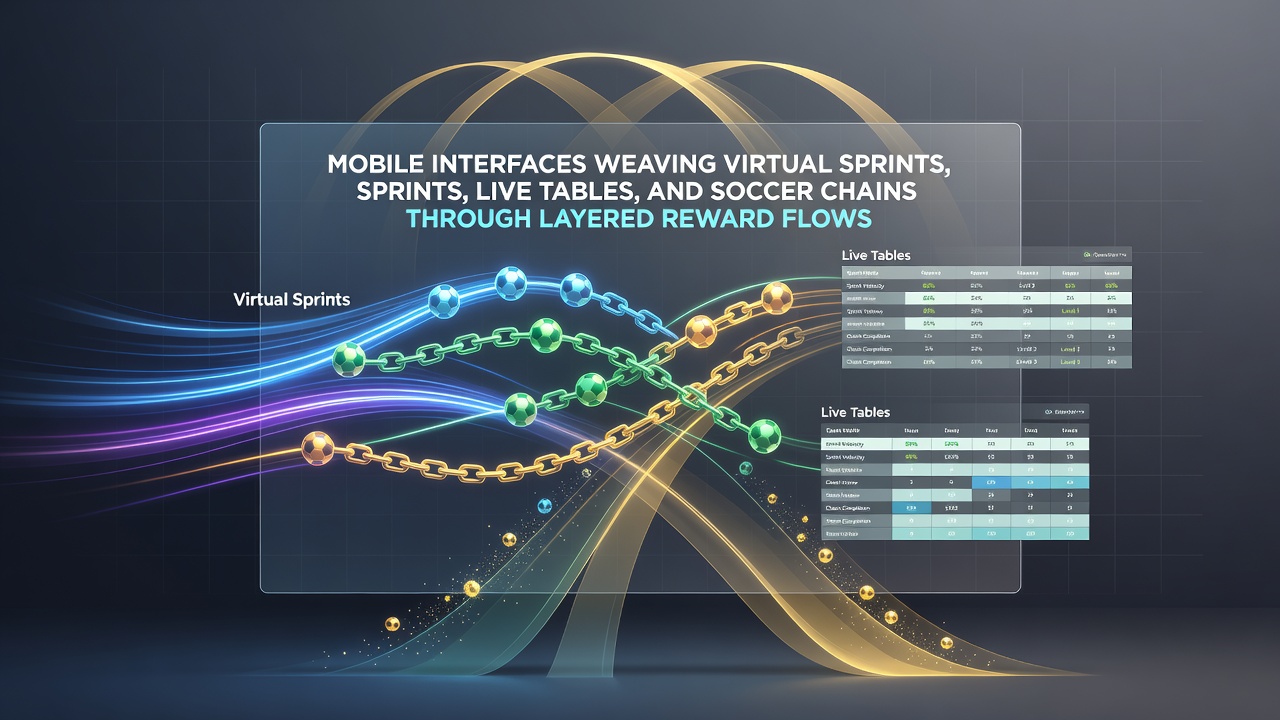
Mobile interfaces now combine virtual sprint simulations, live dealer tables, and soccer accumulator chains within single applications that route rewards through sequential layers. These systems allow users to move between simulated athletic events, real-time casino interactions, and football multiple bets while accumulating incentives that unlock at different stages of engagement. Data from industry tracking services shows steady adoption of such unified layouts across handheld devices during the first half of 2026. Platform developers structure these flows so that rewards earned in one segment transfer directly to others. A player completing a virtual sprint sequence receives credits that apply toward live table sessions, and those same credits later support soccer chain builds. This layered approach keeps activity continuous rather than segmented, with progress indicators visible on every screen. Observers note that navigation menus collapse multiple categories into swipeable panels, reducing the steps required to shift focus from one product type to another.Reward Layer Mechanics in Practice
Each reward tier activates after meeting specific thresholds tied to bet volume or session duration. Early layers grant small multipliers that apply across virtual sprints and soccer selections alike, while deeper layers unlock access to exclusive live table variants. Research from the European Gaming and Betting Association indicates that applications using this tiered model record longer average session times compared with those offering isolated promotions. The mechanics rely on backend synchronization that updates balances instantly when a user completes a virtual race or closes a football accumulator.
Designers embed visual cues that highlight upcoming reward milestones without interrupting gameplay. Progress bars sit alongside betting slips, and tap gestures reveal detailed breakdowns of how current activity feeds the next layer. In July 2026 several platforms introduced color-coded indicators that change as users advance through tiers, making the system easier to follow on smaller screens.
Integration of Virtual Sprints with Live Elements
Virtual sprint products simulate short-distance races using algorithmic outcomes that update every few minutes. Mobile layouts place these events next to live table feeds so that users can place a sprint wager and immediately open a blackjack or roulette stream within the same view. The interface maintains separate balance trackers for each category yet pools reward points into a shared pool that feeds all sections. This arrangement lets participants alternate between fast-paced virtual events and slower, decision-heavy table games without leaving the application.

Soccer Chain Construction Across Platforms
Soccer accumulators expand when selections from multiple matches combine into single wagers. Mobile tools now pull team data and odds directly into the same reward ecosystem used for virtual sprints and live tables. A user who starts an accumulator can pause to place a quick virtual sprint bet, earn a layer bonus, and apply that bonus back to the football chain before the first match concludes. Such cross-product movement relies on real-time data feeds that keep all odds and results synchronized. Reports compiled by the Australian Communications and Media Authority in mid-2026 documented higher cross-category participation rates on devices that support these seamless transitions.
Push notifications alert participants when a new reward layer becomes available or when a soccer selection reaches a payout threshold. These alerts link directly to the relevant screen, preserving the flow between products. Operators track which combinations of virtual, live, and football activity produce the highest engagement, then adjust layer thresholds accordingly.
Technical Framework Supporting Layered Flows
Backend systems employ modular APIs that isolate each product category while sharing a common user profile and reward ledger. Security protocols encrypt transaction data at every handoff between virtual sprints, live tables, and soccer chains. Compliance teams review these connections to ensure that reward calculations remain transparent and auditable. Device testing across multiple operating systems confirms that interface elements scale correctly whether users hold phones in portrait or landscape orientation.
Conclusion
Mobile interfaces continue to refine the connections among virtual sprints, live tables, and soccer chains through carefully sequenced reward layers. These structures maintain separate product identities while enabling fluid movement and shared incentive tracking. Continued updates to synchronization speed and visual feedback are expected to sustain user activity across all three categories well into the latter part of 2026.